.cb-root{
–ink:#2B2E33;
–ink-soft:#5B5F66;
–paper:#F3F2ED;
–paper-raised:#FFFFFF;
–line:#DEDCD3;
–sage:#6B7F76;
–sage-dark:#4F5F58;
–sage-bg:#EAEEEC;
–clay:#A85D45;
–clay-bg:#F3E7E2;
–water:#3E6E8E;
–water-bg:#E6EEF2;
}
.cb-root *{ box-sizing:border-box; }
.cb-root{ margin:0; background:var(–paper); color:var(–ink); font-family:’Inter’,-apple-system,sans-serif; font-size:16.5px; line-height:1.72; }
.cb-wrap{ max-width:820px; margin:0 auto; padding:0 22px 50px; }
.cb-root h1,.cb-root h2,.cb-root h3{ font-family:’Fraunces’,Georgia,serif; color:var(–ink); margin:0; }
.cb-root a{ color:var(–sage-dark); }
.cb-root p{ margin:0 0 15px; }
.cb-header-band{ background:var(–ink); color:var(–paper); padding:44px 0 30px; }
.cb-header-band .cb-eyebrow{ font-family:’JetBrains Mono’,monospace; font-size:11.5px; letter-spacing:0.18em; text-transform:uppercase; color:#B7C4BE; margin-bottom:14px; }
.cb-header-band h1{ font-size:clamp(25px,4.6vw,40px); font-weight:600; line-height:1.22; color:#fff; margin-bottom:14px; max-width:680px; }
.cb-header-band p.cb-lede{ color:#C7C9C6; font-size:16.5px; max-width:640px; margin-bottom:0; }
.cb-grout-strip{ height:8px; display:flex; }
.cb-grout-strip span{ flex:1; border-right:2px solid var(–paper); }
.cb-grout-strip span:last-child{ border-right:none; }
.cb-root h2{ font-size:25px; font-weight:600; margin:48px 0 14px; padding-bottom:10px; border-bottom:2px solid var(–ink); }
.cb-root h3{ font-size:19px; font-weight:600; margin:24px 0 8px; }
.cb-quick-answer{ background:var(–water-bg); border-left:4px solid var(–water); border-radius:4px; padding:16px 18px; margin:24px 0; }
.cb-quick-answer p{ margin:0; font-size:15.5px; color:#294456; }
.cb-quick-answer p+p{ margin-top:10px; }
.cb-quick-answer p strong{ color:var(–ink); }
.cb-tagrow{ display:flex; gap:8px; flex-wrap:wrap; margin:16px 0 8px; }
.cb-tag{ font-family:’JetBrains Mono’,monospace; font-size:11px; letter-spacing:0.06em; text-transform:uppercase; border:1px solid var(–ink); color:var(–ink); padding:4px 9px; border-radius:3px; }
/* ———- scale bars (signature element) ———- */
.cb-scale-box{ margin:22px 0 8px; padding:22px 20px 18px; background:var(–paper-raised); border:1px solid var(–line); border-radius:8px; }
.cb-scale-row{ display:flex; align-items:center; gap:14px; margin-bottom:14px; }
.cb-scale-row:last-child{ margin-bottom:0; }
.cb-scale-label{ width:150px; flex-shrink:0; font-size:14px; font-weight:600; }
.cb-scale-track{ flex:1; height:14px; background:var(–sage-bg); border-radius:7px; overflow:hidden; }
.cb-scale-fill{ height:100%; background:var(–water); border-radius:7px; }
.cb-scale-fill.clay{ background:var(–clay); }
.cb-scale-val{ width:120px; flex-shrink:0; font-family:’JetBrains Mono’,monospace; font-size:12px; color:var(–ink-soft); text-align:right; }
.cb-scale-note{ font-family:’JetBrains Mono’,monospace; font-size:11.5px; color:var(–ink-soft); margin-top:14px; }
/* ———- image blocks ———- */
.cb-img-block{ margin:22px 0; border-radius:8px; overflow:hidden; border:1px solid var(–line); }
.cb-img-block img{ width:100%; height:320px; object-fit:cover; display:block; }
.cb-img-caption{ font-family:’JetBrains Mono’,monospace; font-size:11.5px; color:var(–ink-soft); padding:9px 12px; background:var(–paper-raised); border-top:1px solid var(–line); }
.cb-img-suggest{ margin:22px 0; border:1px dashed var(–water); border-radius:8px; padding:16px 18px; background:var(–water-bg); }
.cb-img-suggest-label{ font-family:’JetBrains Mono’,monospace; font-size:11px; letter-spacing:0.08em; text-transform:uppercase; color:var(–water); font-weight:600; margin-bottom:6px; }
.cb-img-suggest p{ margin:0; font-size:14px; color:#294456; }
/* ———- entry blocks (reused for paint types) ———- */
.cb-block{ margin-top:36px; padding-top:22px; border-top:1px dashed var(–line); }
.cb-block:first-of-type{ margin-top:20px; padding-top:0; border-top:none; }
.cb-block-head{ display:flex; align-items:baseline; gap:12px; margin-bottom:4px; }
.cb-block-num{ font-family:’JetBrains Mono’,monospace; font-size:13px; color:var(–clay); border:1px solid var(–clay); border-radius:3px; padding:2px 7px; flex-shrink:0; }
.cb-block h3{ margin:0; }
.cb-block-tag{ display:inline-block; font-family:’JetBrains Mono’,monospace; font-size:10.5px; text-transform:uppercase; letter-spacing:0.05em; background:var(–sage-bg); color:var(–sage-dark); padding:3px 8px; border-radius:3px; margin:6px 0 10px; }
.cb-block-tag.clay{ background:var(–clay-bg); color:var(–clay); }
.cb-block-specs{ font-family:’JetBrains Mono’,monospace; font-size:12px; color:var(–ink-soft); background:var(–paper-raised); border-left:3px solid var(–sage); padding:8px 12px; margin:10px 0 12px; }
.cb-block-specs span{ display:block; margin-bottom:2px; }
.cb-block-specs span:last-child{ margin-bottom:0; }
.cb-group-label{ font-family:’JetBrains Mono’,monospace; font-size:12px; letter-spacing:0.1em; text-transform:uppercase; color:var(–water); background:var(–water-bg); display:inline-block; padding:6px 12px; border-radius:4px; margin:34px 0 4px; }
.cb-table-wrap{ overflow-x:auto; border:1px solid var(–line); border-radius:6px; margin:16px 0; }
.cb-table{ width:100%; border-collapse:collapse; font-size:14px; min-width:600px; }
.cb-table th{ background:var(–ink); color:#fff; text-align:left; padding:10px 12px; font-family:’JetBrains Mono’,monospace; font-size:10px; letter-spacing:0.04em; text-transform:uppercase; }
.cb-table td{ padding:9px 12px; border-bottom:1px solid var(–line); }
.cb-table tr:nth-child(even) td{ background:#FAFAF7; }
.cb-table td:first-child{ font-weight:600; }
.cb-tip-list{ display:flex; flex-direction:column; gap:10px; margin:18px 0; }
.cb-tip-list .item{ display:flex; gap:12px; align-items:flex-start; }
.cb-tip-list .dot{ width:8px; height:8px; border-radius:50%; background:var(–sage-dark); margin-top:8px; flex-shrink:0; }
.cb-tip-list .txt strong{ display:block; font-size:15px; margin-bottom:2px; }
.cb-tip-list .txt p{ margin:0; font-size:14.5px; color:var(–ink-soft); }
.cb-mistake-list{ display:flex; flex-direction:column; gap:12px; margin:18px 0; }
.cb-mistake-list .item{ display:flex; gap:14px; background:var(–paper-raised); border:1px solid var(–line); border-radius:6px; padding:14px 16px; }
.cb-mistake-list .num{ font-family:’Fraunces’,serif; font-weight:600; font-size:22px; color:var(–clay); flex-shrink:0; line-height:1.3; }
.cb-mistake-list .txt strong{ display:block; font-size:15.5px; margin-bottom:3px; }
.cb-mistake-list .txt p{ margin:0; font-size:14.5px; color:var(–ink-soft); }
.cb-faq-item{ border-top:1px solid var(–line); padding:18px 0; }
.cb-faq-item:last-child{ border-bottom:1px solid var(–line); }
.cb-faq-item .q{ font-family:’Fraunces’,serif; font-weight:600; font-size:17px; margin-bottom:6px; }
.cb-faq-item .a{ font-size:15px; margin:0; color:var(–ink-soft); }
@media (max-width:600px){ .cb-scale-label{ width:100px; } .cb-scale-val{ width:90px; } .cb-img-block img{ height:220px; } }
Coastal Home Maintenance Guide · Updated 2026
DIY vs Professional Painting Cost-Benefit in Coastal Regions
Salt air, humidity, and UV don’t care whether you saved money on the paint job. Here’s the real math on what each option costs over years, not just on day one.
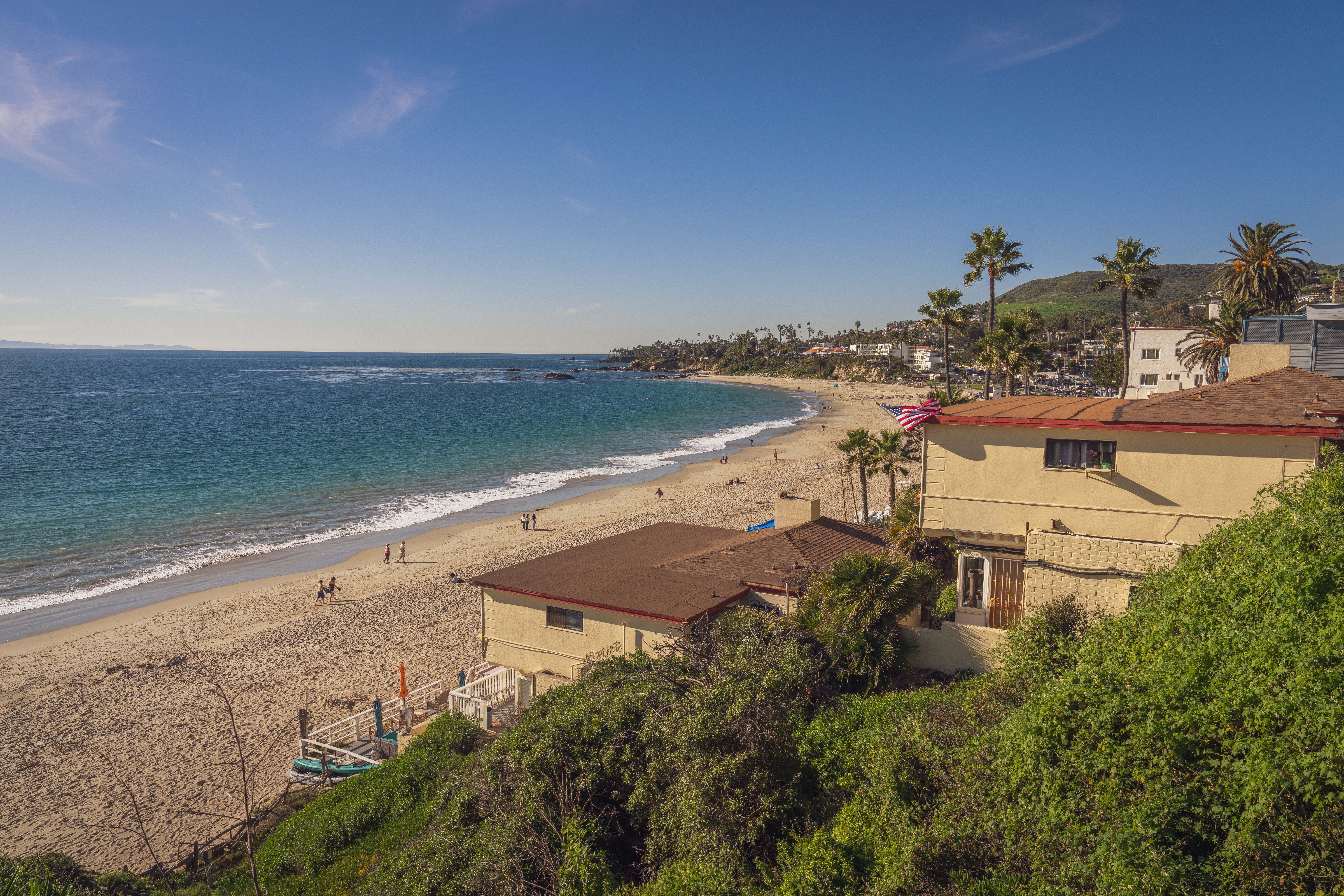
Most “DIY vs professional painting” articles are written for a house in Ohio, then reused for a house three blocks from the ocean. That’s the problem. A coastal home fights three things an inland home mostly doesn’t: airborne salt that’s hygroscopic enough to pull moisture onto the paint film even on a dry day, UV exposure strong enough to break down resin binders faster, and humidity that keeps surfaces damp longer between rains. All three shorten the life of an average paint job, and all three change the actual math on whether painting it yourself saves anything.
This guide runs the real numbers, cost per square foot for both approaches, how much faster coastal conditions burn through a paint job, and which specific paint products are actually formulated for salt air instead of just marketed that way. No lead form, no “call for a free estimate” popup blocking the content.
Quick answer: DIY materials for a typical coastal home run $600 to $1,800; a professional job runs $1.50 to $4 per square foot ($3,000 to $8,000+ for a 2,000 sq ft home), and 20 to 35% more than that in many coastal metros. The catch is durability: DIY jobs on coastal homes commonly fail in 2 to 4 years without professional-grade prep, while a properly prepped professional job with a coastal-rated paint holds up 5 to 10 years. Run the cost per year, not the cost per project, and professional painting usually wins on a home you plan to keep more than five years.
Why Coastal Homes Need Special Painting
Ocean salt is hygroscopic, meaning it actively pulls moisture out of the air and holds it against whatever surface it’s sitting on, paint included. That’s different from rain, which dries. A film of salt residue keeps a painted surface damp longer after every storm, every morning of fog, every high-humidity afternoon, which is exactly the condition mildew, blistering, and adhesion failure need to take hold. Add in UV exposure that’s typically more intense near open water and reflective sand or pavement, and you get a second failure mode: resin binders breaking down and pigments chalking off faster than the same paint would fail 50 miles inland.
None of this means coastal paint jobs are doomed. It means prep and product selection matter more here than almost anywhere else. Industry data on premature coating failure puts the number bluntly: roughly 75 to 80% of early paint failures trace back to inadequate surface preparation, not a bad paint. That statistic holds everywhere, but it bites harder on the coast, where the margin for a rushed prep job is thinner.
UV breaks down binders faster
Prep matters more here
DIY Painting Costs in Coastal Regions
The sticker price of DIY is genuinely lower. The honest version of that number, though, has to use coastal-rated paint, not the cheapest gallon on the shelf, since a budget interior-grade product will fail against salt air within a season or two regardless of who applies it.
Typical materials-and-equipment total for a mid-size coastal home: roughly $640-$1,480, before counting your own time.
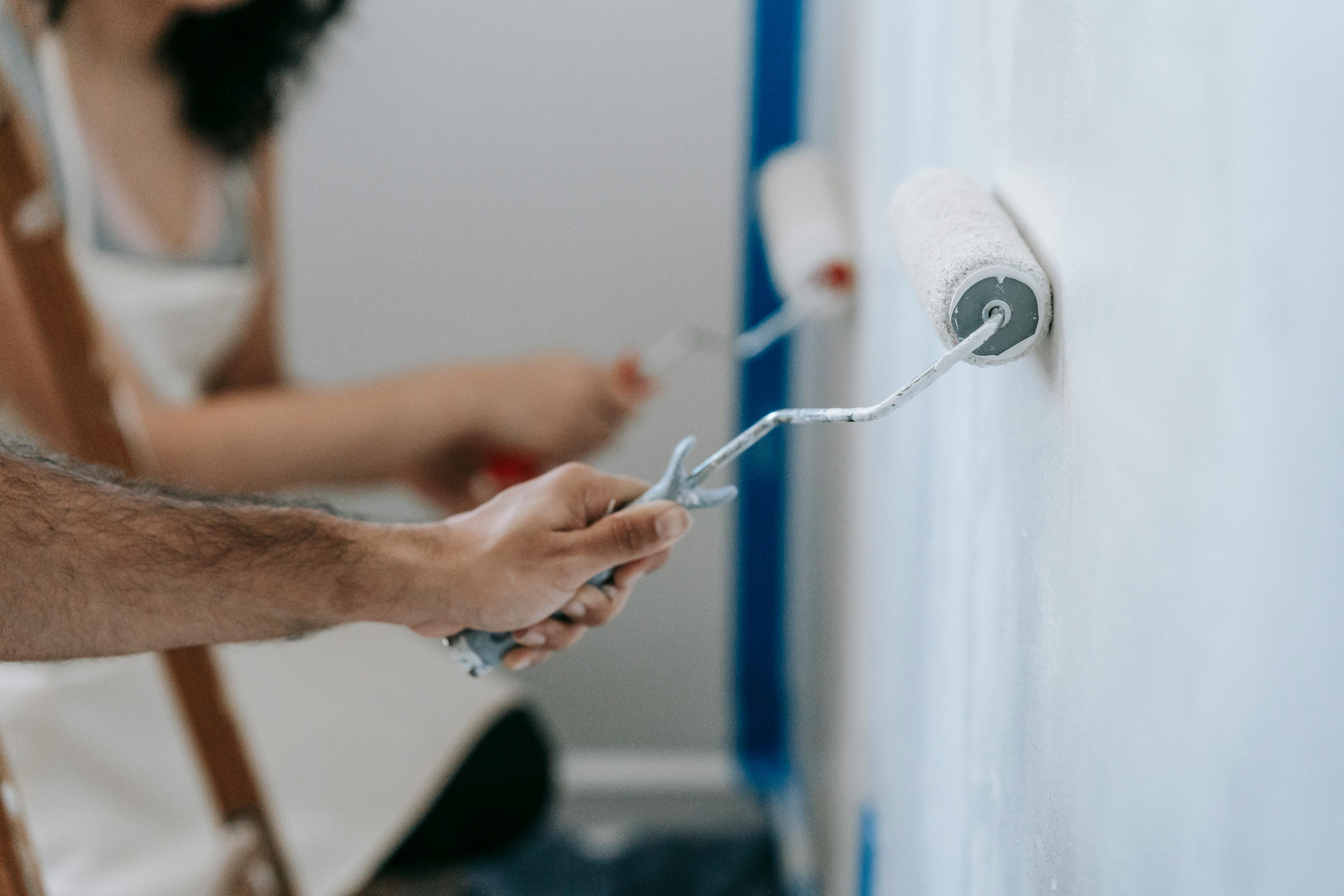
That total doesn’t include your own labor. A full exterior repaint on a mid-size home realistically takes an experienced DIYer 5 to 10 full days spread across a few weekends, longer on stucco or if there’s any wood rot or old caulk to deal with first. Whatever your time is worth, that’s a real cost even though it never appears on a receipt.
Professional Painting Costs Explained
Nationally, professional exterior painting runs $1.50 to $4 per square foot of paintable surface, averaging around $3,000 to $8,000 for a typical 2,000 square foot home. Coastal markets skew that upward for two separate reasons. First, many coastal metros, especially West Coast and Northeast markets, simply run 20 to 35% higher on labor than the national average. Second, coastal homes are disproportionately stucco, brick, or fiber cement rather than plain vinyl siding, and those substrates add another 20 to 40% because of the extra prep and coating requirements.
| Home size | National range | Typical coastal range |
|---|---|---|
| Small (1,000-1,500 sq ft) | $1,500-$4,000 | $2,000-$5,400 |
| Medium (1,500-2,500 sq ft) | $3,000-$6,500 | $4,000-$8,800 |
| Large (2,500+ sq ft) | $5,000-$10,000+ | $6,700-$13,500+ |
Labor makes up roughly 65 to 75% of that total, which is worth knowing before you assume you can cut a quote in half by supplying your own paint. Most of what you’re paying for is the crew’s time, equipment, and prep discipline, not the gallons.
A professional painting crew on a ladder or scaffolding working on a stucco or shingle-sided coastal home, ideally showing pressure-washing or prep work in progress rather than just the finished result. Search terms: “professional painter exterior scaffolding” or “painting crew ladder house.”
Cost-Benefit Comparison (DIY vs Professional)
| Factor | DIY | Professional |
|---|---|---|
| Upfront cost (2,000 sq ft home) | $640-$1,480 in materials | $4,000-$8,800 coastal-adjusted |
| Time commitment | 5-10+ days, spread over weekends | 4-6 working days for a 2-3 person crew |
| Typical coastal lifespan | 2-4 years if prep is rushed | 5-10 years with proper prep and product |
| Warranty | None | Workmanship warranty, often 2-10 years |
| Prep quality | Depends entirely on the individual | Power washing, scraping, priming, caulking included |
| Cost per year of life | $160-$740/yr (at 2-4 yr life) | $400-$1,760/yr (at 5-10 yr life) |
That last row is the number that actually matters and the one every sales-driven comparison skips. A rushed DIY job that fails in 2 years and gets redone costs more per year than a professional job that lasts a decade, even though the upfront number looks smaller. A DIY job done carefully, with the right coastal-rated product and real prep discipline, closes that gap significantly and can genuinely be the better value on a smaller, simpler home.
Paint Durability in Salt Air
Salt doesn’t just sit on a painted surface, it works on it. Airborne salt particles are abrasive enough that ocean breezes carrying fine salt and sand physically wear at the paint film over time, while the moisture the salt holds against the surface drives blistering and adhesion failure from underneath. UV adds a third front, breaking down the resin binders that hold pigment to the surface, which shows up as fading and a chalky residue you can wipe off the wall with your hand.

The practical result shows up in repainting frequency. Multiple painting contractors across different coastlines, from Kiawah Island to the Gulf Coast to California’s Central Coast, converge on a similar range: homes within a mile or two of open water typically need repainting every 4 to 7 years, compared with 7 to 10 years, sometimes longer, for homes further inland in a milder climate. Homes directly on the beach with cheap paint and no real prep can fail in as little as 2 to 3 years; the same home with a premium coastal-rated system and regular maintenance can stretch toward 10.
Ranges compiled from painting contractors in Florida, South Carolina, California, and New England.
Hidden Costs of DIY Painting
Standard exterior acrylic instead of a coastal or marine-rated formula. It’ll go on fine and look identical for the first few months, then fail early against salt exposure a coastal-rated product would have handled.
Power washing, scraping, and priming take longer than painting itself, and it’s the step most DIYers cut short. This alone causes a large share of premature coastal paint failures.
Tall ladders, sprayers, and scaffolding for a two-story coastal home add up fast in rental fees or purchase price for a tool you may never use again.
A failed DIY job doesn’t just need touch-ups, it usually needs to be stripped back and redone, which means paying for prep and materials twice, sometimes plus a professional to fix it.
If a DIY job fails early, that’s entirely on you. A professional job with a workmanship warranty means an early failure gets fixed at no extra cost.
Benefits of Hiring Professionals
Power washing, scraping, sanding, and priming get done in full because it’s the crew’s job, not an optional step at the end of a long weekend.
A trained crew catches soft wood, early rot, and rusted fasteners before painting over them, which is what keeps a paint job from turning into a structural repair two years later.
Knowing which specific product line, primer, and sheen actually holds up against salt and UV in your exact location, not just what’s on sale at the hardware store.
A crew of 2-3 finishes a full exterior in days rather than the weeks a solo DIY project typically stretches into.
If the paint fails early, from application error rather than storm damage, a legitimate contractor fixes it without a second full payment.
Best Paint Types for Coastal Homes
The paint category matters more than the brand, but the brand determines whether that category is actually formulated for salt exposure or just labeled “exterior.”
Acrylic Latex Paint
Standard choice for siding and trim
Acrylic latex is the baseline for most coastal exteriors: water-resistant, breathable enough to let trapped moisture escape rather than blister, and available in UV-resistant formulations. Sherwin-Williams Duration and Sherwin-Williams Resilience are two of the most frequently specified lines for coastal use, with Resilience in particular marketed around early moisture resistance, meaning it sets before a surprise rain shower can ruin the finish. Benjamin Moore Aura, with its Color Lock technology, is the common alternative when color retention against fading matters as much as the base durability.
PPG Timeless and Comparable Premium Lines
One-coat, UV-focused formulations
PPG’s Timeless line is built around what PPG calls UV-Protect Technology, aimed specifically at resisting extreme weather and cutting down to one coat of coverage on suitable repaints. It’s a reasonable alternative to the Sherwin-Williams and Benjamin Moore lines above when a contractor’s supplier relationship runs through PPG instead.
Elastomeric Coatings
Needs proper primer and prep
Elastomeric paint is a thick, rubbery coating that expands and contracts with the surface rather than cracking, which makes it the closest thing to a waterproofing membrane in a paintable product. Sherwin-Williams Loxon XP and Benjamin Moore Moorlastic are the two most commonly specified lines. It’s the right call for a first-time stucco paint job or a stucco surface with visible hairline cracking, less necessary on a repaint where the existing coating is already sound and sealed.
Rust-Inhibitive and Zinc-Rich Primers
For railings, gates, and fasteners
Salt ions accelerate corrosion on anything metal: railings, gutters, gate hinges, and exposed fasteners. Body paint isn’t built for that job. Rust-Oleum’s rust-inhibitive primers, paired with a UV-stable enamel topcoat, are the standard approach for smaller metal fixtures. For larger or more exposed steel elements, a zinc-rich primer provides a sacrificial layer of protection, similar in principle to galvanizing, before the topcoat goes on.
Maintenance Tips to Extend Paint Life
A low-pressure hose or gentle pressure wash removes salt buildup before it has time to work on the paint film. Homes further inland can often get by with an annual rinse.
Run a hand along the siding. If it comes away with a fine white powder, the binder is breaking down, and it’s worth addressing before it turns into fading or peeling.
Coastal humidity degrades caulk and sealant faster than an inland climate does, and failed caulk is one of the fastest routes to moisture getting behind the paint film.
Wind-driven salt spray and standing water on horizontal surfaces after a storm are worth a walk-around and prompt touch-up rather than waiting for the next scheduled inspection.
Which Option Offers Better Long-Term Value?
For a small home, a single accent wall, trim only, or a homeowner with real painting experience and the patience to prep thoroughly, DIY with a genuinely coastal-rated product can be the better value. The savings are real, and a careful DIYer using Sherwin-Williams Resilience or Benjamin Moore Aura with proper primer and caulking isn’t automatically doomed to an early repaint.
For a full exterior on a multi-story home, stucco or masonry needing elastomeric waterproofing, a home going on the market, or anyone who can’t personally guarantee thorough prep, professional painting wins the long-term math. The cost per year of protection is usually lower once you account for a coastal DIY job’s shorter realistic lifespan, and the warranty removes the risk of an early failure landing entirely on you.
Frequently Asked Questions
Is DIY painting worth it for coastal homes?
For small or simple projects, yes, provided you use a genuinely coastal-rated paint and don’t skip prep. For a full multi-story exterior, the time and redo risk usually make professional painting the better value over a 5 to 10 year window.
How much does professional house painting cost in coastal regions?
Nationally, $1.50 to $4 per square foot. In many coastal metros, especially West Coast and Northeast markets, add 20 to 35% on top of that, plus another 20 to 40% if the home is stucco, brick, or another substrate that needs more prep than plain vinyl siding.
Does salt air actually damage exterior paint?
Yes. Salt is hygroscopic, meaning it holds moisture against the painted surface even on dry days, which drives blistering and adhesion failure. Airborne salt also physically abrades the paint film over time.
What paint lasts longest in coastal climates?
Premium acrylic latex lines formulated for coastal or marine exposure, such as Sherwin-Williams Resilience or Duration and Benjamin Moore Aura, generally outperform standard exterior paint. For stucco or masonry, an elastomeric coating like Sherwin-Williams Loxon XP adds a waterproofing layer standard paint doesn’t provide.
How often should coastal homes be repainted?
Every 4 to 7 years is the realistic range for most homes within a mile or two of open water, compared with 7 to 10 years or more inland. Homes directly on the beach with budget paint and minimal prep can fail in as little as 2 to 3 years.
Can you paint a house near the ocean yourself?
Yes, with the right product and real attention to prep: power washing, scraping any failing paint, priming bare or repaired areas, and caulking every seam before the topcoat goes on. Skipping any of those steps is where most DIY coastal paint jobs fail early.
Is professional painting worth the cost?
For a full exterior on a home you plan to keep more than five years, usually yes. The combination of proper prep, coastal-rated product selection, and a workmanship warranty tends to produce a lower cost per year of protection than a DIY job that fails early.
What are the hidden costs of DIY painting?
Equipment rental for ladders, sprayers, and pressure washers; the cost of redoing a job that fails early from skipped prep or the wrong paint category; and the value of your own time, which typically runs 5 to 10 full days for a mid-size home.
Which paint finish is best for coastal homes?
Satin is the common default for siding, balancing a cleanable surface with a look that doesn’t highlight every imperfection in stucco or wood grain. Semi-gloss is typical for trim and doors, where extra washability and water resistance matter more.
What mistakes should you avoid when painting a coastal home?
Using a standard exterior paint instead of a coastal-rated formula, skipping power washing and priming, painting over chalky or salt-residue-covered surfaces, and using regular primer on metal railings instead of a rust-inhibitive or zinc-rich one.
Final Thoughts
The honest version of this comparison doesn’t have a single winner. It has a break-even point, and that point is roughly five years of durability. A DIY job that genuinely lasts five-plus years, because the product was right and the prep was thorough, competes well with professional painting on cost. A DIY job that fails in two or three years, which is the more common outcome without professional-grade prep, ends up costing more per year than hiring it out would have in the first place. Price the job by how long it will actually last on your specific stretch of coastline, not by the number on the receipt the day the paint goes on.
Leave a Reply