Category: bathroom

  • Can You Use Regular Drywall in a Bathroom Ceiling?


    :root{
    –ink:#2B2E33;
    –ink-soft:#5B5F66;
    –paper:#F3F2ED;
    –paper-raised:#FFFFFF;
    –line:#DEDCD3;
    –sage:#6B7F76;
    –sage-dark:#4F5F58;
    –sage-bg:#EAEEEC;
    –clay:#A85D45;
    –clay-bg:#F3E7E2;
    –water:#3E6E8E;
    –water-bg:#E6EEF2;
    }
    *{ box-sizing:border-box; }
    body{ margin:0; background:var(–paper); color:var(–ink); font-family:’Inter’,-apple-system,sans-serif; font-size:16.5px; line-height:1.72; }
    .wrap{ max-width:820px; margin:0 auto; padding:0 22px 50px; }
    h1,h2,h3{ font-family:’Fraunces’,Georgia,serif; color:var(–ink); margin:0; }
    .mono{ font-family:’JetBrains Mono’,monospace; }
    a{ color:var(–sage-dark); }
    p{ margin:0 0 15px; }

    .header-band{ background:var(–ink); color:var(–paper); padding:44px 0 30px; }
    .header-band .eyebrow{ font-family:’JetBrains Mono’,monospace; font-size:11.5px; letter-spacing:0.18em; text-transform:uppercase; color:#B7C4BE; margin-bottom:14px; }
    .header-band h1{ font-size:clamp(25px,5vw,38px); font-weight:600; line-height:1.22; color:#fff; margin-bottom:14px; max-width:680px; }
    .header-band p.lede{ color:#C7C9C6; font-size:16.5px; max-width:640px; margin-bottom:0; }
    .grout-strip{ height:8px; display:flex; }
    .grout-strip span{ flex:1; border-right:2px solid var(–paper); }
    .grout-strip span:last-child{ border-right:none; }

    h2{ font-size:26px; font-weight:600; margin:48px 0 14px; padding-bottom:10px; border-bottom:2px solid var(–ink); }
    h3{ font-size:19px; font-weight:600; margin:24px 0 8px; }

    .quick-answer{ background:var(–water-bg); border-left:4px solid var(–water); border-radius:4px; padding:16px 18px; margin:24px 0; }
    .quick-answer p{ margin:0; font-size:15.5px; color:#294456; }
    .quick-answer p strong{ color:var(–ink); }

    /* ———- scale bars (signature element, reused site-wide) ———- */
    .scale-box{ margin:22px 0 8px; padding:22px 20px 18px; background:var(–paper-raised); border:1px solid var(–line); border-radius:8px; }
    .scale-row{ display:flex; align-items:center; gap:14px; margin-bottom:14px; }
    .scale-row:last-child{ margin-bottom:0; }
    .scale-label{ width:170px; flex-shrink:0; font-size:14px; font-weight:600; }
    .scale-track{ flex:1; height:14px; background:var(–sage-bg); border-radius:7px; overflow:hidden; }
    .scale-fill{ height:100%; background:var(–water); border-radius:7px; }
    .scale-val{ width:110px; flex-shrink:0; font-family:’JetBrains Mono’,monospace; font-size:12px; color:var(–ink-soft); text-align:right; }
    .scale-note{ font-family:’JetBrains Mono’,monospace; font-size:11.5px; color:var(–ink-soft); margin-top:14px; }

    .pc-grid{ display:grid; grid-template-columns:1fr 1fr; gap:16px; margin:18px 0; }
    @media (max-width:640px){ .pc-grid{ grid-template-columns:1fr; } }
    .pc-grid .pros, .pc-grid .cons{ padding:16px 18px; border-radius:6px; }
    .pc-grid .pros{ background:var(–sage-bg); border:1px solid #C9D4CE; }
    .pc-grid .cons{ background:var(–clay-bg); border:1px solid #E3C7BB; }
    .pc-grid p.lbl{ font-family:’JetBrains Mono’,monospace; font-size:11px; text-transform:uppercase; letter-spacing:0.06em; font-weight:700; margin:0 0 10px; }
    .pc-grid .pros p.lbl{ color:var(–sage-dark); }
    .pc-grid .cons p.lbl{ color:var(–clay); }
    .pc-grid ul{ margin:0; padding-left:18px; font-size:14.5px; }
    .pc-grid li{ margin-bottom:6px; }

    .table-wrap{ overflow-x:auto; border:1px solid var(–line); border-radius:6px; margin:16px 0; }
    table.compare{ width:100%; border-collapse:collapse; font-size:14px; min-width:640px; }
    table.compare th{ background:var(–ink); color:#fff; text-align:left; padding:10px 12px; font-family:’JetBrains Mono’,monospace; font-size:10px; letter-spacing:0.04em; text-transform:uppercase; }
    table.compare td{ padding:9px 12px; border-bottom:1px solid var(–line); }
    table.compare tr:nth-child(even) td{ background:#FAFAF7; }
    table.compare td:first-child{ font-weight:600; }

    .brand-grid{ display:flex; flex-direction:column; gap:12px; margin:18px 0; }
    .brand-grid .item{ background:var(–paper-raised); border:1px solid var(–line); border-radius:6px; padding:14px 16px; }
    .brand-grid .item strong{ display:block; font-size:15.5px; margin-bottom:4px; }
    .brand-grid .item p{ margin:0; font-size:14.5px; color:var(–ink-soft); }

    .mistake-list{ display:flex; flex-direction:column; gap:12px; margin:18px 0; }
    .mistake-list .item{ display:flex; gap:14px; background:var(–paper-raised); border:1px solid var(–line); border-radius:6px; padding:14px 16px; }
    .mistake-list .num{ font-family:’Fraunces’,serif; font-weight:600; font-size:22px; color:var(–clay); flex-shrink:0; line-height:1.3; }
    .mistake-list .txt strong{ display:block; font-size:15.5px; margin-bottom:3px; }
    .mistake-list .txt p{ margin:0; font-size:14.5px; color:var(–ink-soft); }

    .tip-list{ display:flex; flex-direction:column; gap:10px; margin:18px 0; }
    .tip-list .item{ display:flex; gap:12px; align-items:flex-start; }
    .tip-list .dot{ width:8px; height:8px; border-radius:50%; background:var(–sage-dark); margin-top:8px; flex-shrink:0; }
    .tip-list .txt strong{ display:block; font-size:15px; margin-bottom:2px; }
    .tip-list .txt p{ margin:0; font-size:14.5px; color:var(–ink-soft); }

    .faq-item{ border-top:1px solid var(–line); padding:18px 0; }
    .faq-item:last-child{ border-bottom:1px solid var(–line); }
    .faq-item .q{ font-family:’Fraunces’,serif; font-weight:600; font-size:17px; margin-bottom:6px; }
    .faq-item .a{ font-size:15px; margin:0; color:var(–ink-soft); }

    Bathroom Renovation Guide · Updated 2026

    Can You Use Regular Drywall in a Bathroom Ceiling?

    Ceilings are actually the highest-risk surface in a steamy bathroom, not the walls. Here’s what building code allows, why ceiling drywall sags before it molds, and which board to actually buy.

    Warm, humid air rises. In a bathroom, that means the ceiling takes on more condensation than either wall, which makes it one of the worst places in the house to guess at a material choice. Regular drywall will physically go up on a bathroom ceiling without a fight, contractors do it all the time, but “will it go up” and “should it stay up for the next fifteen years” are two different questions.

    This guide covers what actually happens to regular drywall in a humid bathroom, what building code requires for ceiling installations specifically, and which moisture and mold-resistant options are worth the extra cost.

    Quick answer: yes, you can install regular drywall on a bathroom ceiling, and it’s legal in most jurisdictions outside a shower’s direct steam path. It’s just not the durable choice. A ceiling with a shower or tub underneath it will show staining, sagging, or mold within a few years without a moisture and mold-resistant board and real ventilation.

    Can You Use Regular Drywall in a Bathroom Ceiling?

    Technically, yes. There’s no blanket code prohibition on regular drywall in a bathroom, and plenty of powder rooms and half-baths, spaces without a shower or tub, run regular drywall on the ceiling for years without issue. The paper facing and gypsum core simply aren’t built to handle repeated exposure to steam and condensation, so the outcome depends heavily on how much moisture that specific ceiling actually sees.

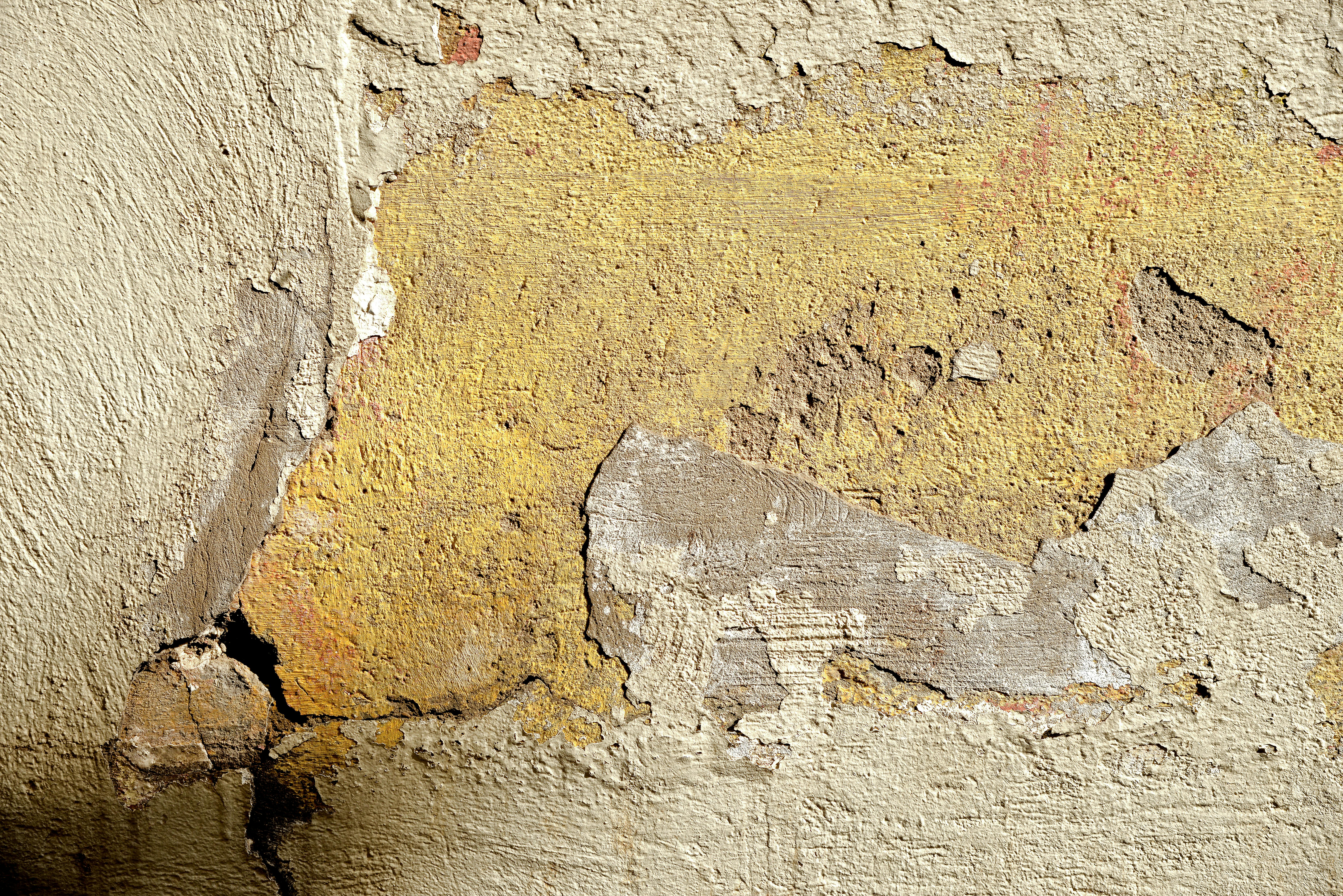
    Over a bathtub or an enclosed shower, where hot water runs and steam collects directly beneath the ceiling several times a week, regular drywall is a genuine liability. The paper facing absorbs moisture first, which is also the layer mold needs to take hold. Left alone, that combination shows up as yellow-brown staining, a soft or spongy feel when pressed, and eventually visible sagging between the ceiling joists.
    Can You Use Regular Drywall in a Bathroom Ceiling?

    Is Regular Drywall Safe for Humid Bathrooms?

    Not reliably, and the reason comes down to basic physics rather than product marketing. Warm, moisture-laden air rises and hits the ceiling first, where it cools and condenses, often before it ever reaches the walls in meaningful volume. That makes the ceiling the first surface to show moisture damage in a poorly ventilated bathroom, not the last.

    Can regular drywall cause mold? Indirectly, yes. Standard drywall’s paper facing scores roughly 0 to 2 on ASTM D3273, the standard lab test for mold resistance on a 0-to-10 scale, which means it offers the paper mold spores need once humidity stays high. The drywall itself doesn’t “cause” mold in the sense of generating it, but it does very little to stop it once spores and moisture are both present, which describes most bathrooms without a working exhaust fan.

    Moisture-Resistant Drywall vs Regular Drywall

    Moisture-resistant drywall, commonly called green board, swaps in a wax-treated paper facing and a denser core additive that limits water absorption. Under ASTM C1396, the standard that governs this category, water-resistant gypsum board must absorb no more than 5% of its weight in water during a two-hour immersion test, against roughly 10% for standard board.

    Purple drywall goes further. Products like National Gypsum’s PURPLE XP line pair a treated purple facing with an antimicrobial core additive and, in the fiberglass-faced versions, drop the paper entirely. That construction scores a perfect 10 out of 10 on ASTM D3273 and a 0 (the best possible result) on ASTM G21, a separate fungal-resistance test, putting it well ahead of standard green board rather than in the same category as a minor upgrade.

    Regular drywall
    ASTM D3273: 0-2
    Green board
    Moderate
    Purple / XP board
    ASTM D3273: 10
    Cement board
    Not gypsum-based

    Mold resistance scored per ASTM D3273 (0-10 scale, 10 is best). Cement board isn’t tested on the same scale since it’s a different material category, used as a direct tile substrate rather than a paintable surface.

    Best Drywall for Bathroom Ceilings

    What drywall should be used in a bathroom ceiling depends on how much moisture that specific ceiling is exposed to.

    Powder rooms and half-baths

    Standard 1/2-inch drywall is generally fine here, since there’s no shower or tub generating sustained steam. A mold-resistant primer and decent ventilation cover the rest.

    Full bathrooms with a shower or tub

    A fiberglass-faced, mold and moisture-resistant board (Purple XP, DensArmor Plus, or an equivalent) is the better long-term choice for the ceiling directly over the wet area, even though it costs more per sheet than green board.

    Ceilings directly above a shower’s steam path

    This is the highest-exposure zone in the room. Some installers use cement board or a moisture-rated tile backer here if the ceiling will be tiled; otherwise, a top-tier mold-resistant gypsum board paired with a properly vented exhaust fan is the standard approach.

    Whichever board goes up, ceiling installation has its own structural requirement separate from moisture resistance: gravity pulls straight down on a ceiling panel, concentrating all the load on the fastener heads, so ceiling-rated moisture-resistant board needs closer framing support than the same product on a wall.

    Building Code Requirements for Bathroom Drywall

    Is moisture-resistant drywall required? Not universally, but most US jurisdictions follow language from the International Residential Code (IRC) Section R702.3.8, which does place real limits on green board ceiling use rather than requiring it outright.

    Requirement Detail
    1/2″ water-resistant board on ceilings Framing spacing cannot exceed 12 inches on center
    5/8″ water-resistant board on ceilings Framing spacing cannot exceed 16 inches on center
    Tile backer in tub/shower surrounds Green board is not code-approved here; cement board or glass-mat backer is required
    Steam rooms and saunas Water-resistant gypsum board is not approved for continuous high-humidity spaces

    That 12-inch and 16-inch framing rule exists specifically because green board sags more than standard drywall when mounted overhead. It’s a structural rule as much as a moisture rule, and it’s the exact requirement contractors most often get flagged for skipping during a framing inspection. Local amendments vary, so confirm current requirements with your building department before finishing a bathroom ceiling.

    Pros and Cons of Regular Drywall

    Pros

    • Costs less per sheet than any moisture or mold-resistant option
    • Available everywhere, no special ordering
    • Fine for powder rooms and low-humidity bathrooms
    • Familiar to most contractors, faster to install correctly

    Cons

    • Absorbs moisture readily through the paper facing
    • Scores lowest on ASTM mold-resistance testing
    • Not code-approved as a tile backer in wet areas
    • Water damage typically means full panel replacement, not a patch

    How to Prevent Mold on Bathroom Ceilings

    Size the exhaust fan to the room.

    An undersized fan won’t clear steam fast enough, regardless of what’s on the ceiling. Most bathrooms need at least 1 CFM per square foot of floor area.

    Vent it to the outside, not the attic.

    A fan that dumps humid air into an attic just relocates the mold risk instead of removing it.

    Run the fan during and after every shower.

    10 to 20 minutes after the water’s off is usually enough to clear residual humidity from the ceiling.

    Use a mold-inhibiting primer before painting.

    This adds a real layer of protection under the paint, especially on any regular drywall already in place.

    Check for existing leaks before finishing.

    A stain that shows up shortly after painting is almost always a plumbing or roof leak, not a ventilation problem.

    Best Paint for Bathroom Ceiling Drywall

    Can you paint regular drywall to make it waterproof? No, and this is worth being direct about. Paint sits on the surface; it doesn’t change what the gypsum core and paper facing do once water reaches them through a seam or a fastener hole. What paint can do is slow surface moisture absorption and add a mold-inhibiting layer, which meaningfully reduces risk without fixing the underlying material choice.

    Look for paint labeled specifically for bathrooms or kitchens, which includes a mildewcide additive most standard interior paints skip. Satin or semi-gloss sheens perform better than flat paint in a bathroom, since a less porous, smoother surface holds less moisture and wipes clean more easily. Pair it with a stain-blocking, mold-inhibiting primer, especially over any existing regular drywall that’s already seen some humidity exposure.

    Common Bathroom Ceiling Mistakes to Avoid

    01
    Skipping the framing spacing requirement

    Installing green board over standard 16 or 24-inch framing without adding strapping is the most common code violation on bathroom ceilings.

    02
    Venting the exhaust fan into the attic

    This is a frequent DIY mistake that quietly creates a mold problem above the ceiling instead of in it.

    03
    Using flat paint in a full bathroom

    Flat finishes are more porous and harder to clean than satin or semi-gloss, and they hold moisture longer.

    04
    Finishing over an existing water stain

    Paint and primer hide a stain temporarily. The moisture source behind it needs to be fixed first, or it comes back.

    05
    Assuming green board works everywhere in the room

    It’s approved for humid air exposure, not as a direct tile substrate in a tub or shower surround. That distinction gets missed often.

    Frequently Asked Questions

    Can you use regular drywall in a bathroom ceiling?

    Yes, and it’s legal in most areas outside a shower’s direct steam path. It’s not the durable choice for a ceiling over a shower or tub, where moisture and mold-resistant board holds up far longer.

    What drywall should be used in a bathroom ceiling?

    Standard drywall works for powder rooms without a shower. For a full bathroom, a moisture and mold-resistant board like Purple XP or an equivalent fiberglass-faced product is the better long-term choice for the ceiling.

    Is moisture-resistant drywall required?

    Not universally, but many jurisdictions require it in specific applications, and code sets structural limits (closer framing spacing) whenever it’s installed on a ceiling. Check local amendments to the IRC where you live.

    Does bathroom ceiling drywall need to be waterproof?

    Not waterproof exactly, moisture-resistant and mold-resistant are the more accurate targets. True waterproof substrates like cement board are reserved for direct tile applications in wet zones, not painted ceiling surfaces.

    Can regular drywall cause mold?

    Regular drywall doesn’t generate mold on its own, but its paper facing scores poorly on mold-resistance testing and offers little defense once humidity and spores are both present, which is common in a poorly ventilated bathroom.

    What is Green Board drywall?

    Green board is moisture-resistant drywall with a wax-treated paper facing and a denser core, built to absorb less water than standard drywall under the ASTM C1396 standard. It resists humidity better than regular drywall but isn’t rated for direct water contact.

    What is Purple drywall?

    Purple drywall, most commonly National Gypsum’s PURPLE XP line, adds mold resistance on top of moisture resistance, using a treated facing and antimicrobial core additive. It scores the highest possible rating on standard mold-resistance testing.

    Is drywall okay above a shower?

    On the ceiling directly above a shower’s steam path, a mold and moisture-resistant board is strongly recommended over standard or basic green board. Inside the actual tiled shower surround, gypsum-based drywall of any kind isn’t the code-approved substrate, cement board or a glass-mat tile backer is required there instead.

    Can you paint regular drywall to make it waterproof?

    No. Paint adds a mold-inhibiting surface layer and slows moisture absorption, but it doesn’t change how the drywall behaves once water reaches the core through a seam or fastener hole.

    What building codes apply to bathroom drywall?

    Most US jurisdictions follow IRC Section R702.3.8, which sets framing spacing rules for moisture-resistant ceiling board (12 inches on center for 1/2-inch board, 16 inches for 5/8-inch) and excludes green board as a tile backer in wet areas.

    How long does bathroom drywall last?

    Moisture and mold-resistant drywall, properly installed with adequate ventilation, commonly lasts 20 years or more. Standard drywall in a high-humidity bathroom without a working exhaust fan can show damage within a few years.

    How do you prevent mold on bathroom ceilings?

    Run a correctly sized exhaust fan vented to the exterior during and after every shower, use a mold-inhibiting primer and bathroom-rated paint, and address any existing leaks before finishing the ceiling.
  • Can You Put Laminate in a Bathroom?


    :root{
    –ink:#2B2E33;
    –ink-soft:#5B5F66;
    –paper:#F3F2ED;
    –paper-raised:#FFFFFF;
    –line:#DEDCD3;
    –sage:#6B7F76;
    –sage-dark:#4F5F58;
    –sage-bg:#EAEEEC;
    –clay:#A85D45;
    –clay-bg:#F3E7E2;
    –water:#3E6E8E;
    –water-bg:#E6EEF2;
    }
    *{ box-sizing:border-box; }
    body{ margin:0; background:var(–paper); color:var(–ink); font-family:’Inter’,-apple-system,sans-serif; font-size:16.5px; line-height:1.72; }
    .wrap{ max-width:820px; margin:0 auto; padding:0 22px 50px; }
    h1,h2,h3{ font-family:’Fraunces’,Georgia,serif; color:var(–ink); margin:0; }
    .mono{ font-family:’JetBrains Mono’,monospace; }
    a{ color:var(–sage-dark); }
    p{ margin:0 0 15px; }

    .header-band{ background:var(–ink); color:var(–paper); padding:44px 0 30px; }
    .header-band .eyebrow{ font-family:’JetBrains Mono’,monospace; font-size:11.5px; letter-spacing:0.18em; text-transform:uppercase; color:#B7C4BE; margin-bottom:14px; }
    .header-band h1{ font-size:clamp(26px,5vw,40px); font-weight:600; line-height:1.2; color:#fff; margin-bottom:14px; max-width:680px; }
    .header-band p.lede{ color:#C7C9C6; font-size:16.5px; max-width:640px; margin-bottom:0; }
    .grout-strip{ height:8px; display:flex; }
    .grout-strip span{ flex:1; border-right:2px solid var(–paper); }
    .grout-strip span:last-child{ border-right:none; }

    h2{ font-size:26px; font-weight:600; margin:48px 0 14px; padding-bottom:10px; border-bottom:2px solid var(–ink); }
    h3{ font-size:19px; font-weight:600; margin:24px 0 8px; }

    /* ———- quick answer box ———- */
    .quick-answer{ background:var(–water-bg); border-left:4px solid var(–water); border-radius:4px; padding:16px 18px; margin:24px 0; }
    .quick-answer p{ margin:0; font-size:15.5px; color:#294456; }
    .quick-answer p strong{ color:var(–ink); }

    /* ———- water resistance scale (signature element) ———- */
    .wr-scale{ margin:22px 0 8px; padding:22px 20px 18px; background:var(–paper-raised); border:1px solid var(–line); border-radius:8px; }
    .wr-row{ display:flex; align-items:center; gap:14px; margin-bottom:14px; }
    .wr-row:last-child{ margin-bottom:0; }
    .wr-label{ width:150px; flex-shrink:0; font-size:14px; font-weight:600; }
    .wr-track{ flex:1; height:14px; background:var(–sage-bg); border-radius:7px; overflow:hidden; }
    .wr-fill{ height:100%; background:var(–water); border-radius:7px; }
    .wr-pct{ width:76px; flex-shrink:0; font-family:’JetBrains Mono’,monospace; font-size:12px; color:var(–ink-soft); text-align:right; }
    .wr-note{ font-family:’JetBrains Mono’,monospace; font-size:11.5px; color:var(–ink-soft); margin-top:14px; }

    /* ———- pros/cons ———- */
    .pc-grid{ display:grid; grid-template-columns:1fr 1fr; gap:16px; margin:18px 0; }
    @media (max-width:640px){ .pc-grid{ grid-template-columns:1fr; } }
    .pc-grid .pros, .pc-grid .cons{ padding:16px 18px; border-radius:6px; }
    .pc-grid .pros{ background:var(–sage-bg); border:1px solid #C9D4CE; }
    .pc-grid .cons{ background:var(–clay-bg); border:1px solid #E3C7BB; }
    .pc-grid p.lbl{ font-family:’JetBrains Mono’,monospace; font-size:11px; text-transform:uppercase; letter-spacing:0.06em; font-weight:700; margin:0 0 10px; }
    .pc-grid .pros p.lbl{ color:var(–sage-dark); }
    .pc-grid .cons p.lbl{ color:var(–clay); }
    .pc-grid ul{ margin:0; padding-left:18px; font-size:14.5px; }
    .pc-grid li{ margin-bottom:6px; }

    /* ———- comparison table ———- */
    .table-wrap{ overflow-x:auto; border:1px solid var(–line); border-radius:6px; margin:16px 0; }
    table.compare{ width:100%; border-collapse:collapse; font-size:14px; min-width:640px; }
    table.compare th{ background:var(–ink); color:#fff; text-align:left; padding:10px 12px; font-family:’JetBrains Mono’,monospace; font-size:10px; letter-spacing:0.04em; text-transform:uppercase; }
    table.compare td{ padding:9px 12px; border-bottom:1px solid var(–line); }
    table.compare tr:nth-child(even) td{ background:#FAFAF7; }
    table.compare td:first-child{ font-weight:600; }

    /* ———- brand cards ———- */
    .brand-grid{ display:flex; flex-direction:column; gap:12px; margin:18px 0; }
    .brand-grid .item{ background:var(–paper-raised); border:1px solid var(–line); border-radius:6px; padding:14px 16px; }
    .brand-grid .item strong{ display:block; font-size:15.5px; margin-bottom:4px; }
    .brand-grid .item p{ margin:0; font-size:14.5px; color:var(–ink-soft); }

    /* ———- mistake list ———- */
    .mistake-list{ display:flex; flex-direction:column; gap:12px; margin:18px 0; }
    .mistake-list .item{ display:flex; gap:14px; background:var(–paper-raised); border:1px solid var(–line); border-radius:6px; padding:14px 16px; }
    .mistake-list .num{ font-family:’Fraunces’,serif; font-weight:600; font-size:22px; color:var(–clay); flex-shrink:0; line-height:1.3; }
    .mistake-list .txt strong{ display:block; font-size:15.5px; margin-bottom:3px; }
    .mistake-list .txt p{ margin:0; font-size:14.5px; color:var(–ink-soft); }

    /* ———- expert tips ———- */
    .tip-list{ display:flex; flex-direction:column; gap:10px; margin:18px 0; }
    .tip-list .item{ display:flex; gap:12px; align-items:flex-start; }
    .tip-list .dot{ width:8px; height:8px; border-radius:50%; background:var(–sage-dark); margin-top:8px; flex-shrink:0; }
    .tip-list .txt strong{ display:block; font-size:15px; margin-bottom:2px; }
    .tip-list .txt p{ margin:0; font-size:14.5px; color:var(–ink-soft); }

    /* ———- FAQ ———- */
    .faq-item{ border-top:1px solid var(–line); padding:18px 0; }
    .faq-item:last-child{ border-bottom:1px solid var(–line); }
    .faq-item .q{ font-family:’Fraunces’,serif; font-weight:600; font-size:17px; margin-bottom:6px; }
    .faq-item .a{ font-size:15px; margin:0; color:var(–ink-soft); }

    Bathroom Flooring Guide · Updated 2026

    Can You Put Laminate in a Bathroom? The Honest Answer

    Standard laminate and bathroom moisture don’t mix well, but the newer waterproof and water-resistant lines change that answer. Here’s what actually holds up, and what doesn’t.

    Search “can you put laminate in a bathroom” and you’ll get answers ranging from a flat no to an enthusiastic yes, often from the same website. The honest answer sits in between: it depends entirely on which laminate you mean, since the category now spans old-style fiberboard planks that swell if a towel drips on them, all the way up to genuinely waterproof rigid-core products that can handle a real spill without damage.

    Quick answer: standard laminate flooring is not a good fit for a bathroom. Waterproof or water-resistant laminate, installed with sealed seams and a moisture-rated underlayment, can work in a low-moisture bathroom, but vinyl plank and tile remain more reliable choices for a shower-adjacent floor.

    Can You Put Laminate in a Bathroom?
    Can You Put Laminate in a Bathroom?

    Can You Put Laminate Flooring in a Bathroom?

    Yes, but with real conditions attached. Laminate flooring is built from a high-density fiberboard (HDF) core, a printed design layer, and a clear wear layer on top. That HDF core is essentially compressed wood fiber, and wood fiber absorbs water. Standard laminate swells, warps, or delaminates at the seams if water sits on it for more than a few minutes, which makes a bathroom, where standing water is a matter of when, not if, a genuinely risky environment for it.

    What’s changed is the arrival of laminate specifically engineered for wet rooms: sealed edges, water-repellent core treatments, and tighter click-lock joints that resist water infiltration at the seams. That version of bathroom laminate flooring can hold up in a powder room or a bathroom with a separate shower stall, where splashing is occasional rather than constant.

    Is Laminate Flooring Waterproof?

    Mostly, no, not in the way vinyl or tile are. This is the point where a lot of marketing gets loose with the word “waterproof,” so it’s worth being precise. Traditional laminate is water-resistant at best: it can handle a spill wiped up promptly, but standing water for hours will eventually reach the HDF core through the seams.

    Genuinely waterproof flooring uses a rigid core made from SPC (stone plastic composite) or WPC (wood plastic composite), materials that don’t absorb water at all. Some flooring brands market SPC and WPC rigid-core planks under the “waterproof laminate” name because they look and click together like laminate, but technically they’re closer to luxury vinyl plank in construction. True wood-fiber laminate, even the best water-resistant versions, is rated to survive spills for a bounded window of time, commonly 24 to 72 hours depending on the product, not permanent exposure.

    Standard laminate
    Low
    Water-resistant laminate
    Moderate
    SPC / WPC rigid core
    Very High
    Vinyl plank (LVP)
    Very High
    Ceramic/porcelain tile
    Very High

    Relative water resistance by flooring category, not a specific product rating.

    Does laminate flooring swell when wet? Yes, that’s the core failure mode. Water gets into the seams, the HDF core absorbs it, and the boards expand, often visibly bowing or lifting at the joints. What happens if laminate flooring gets wet depends on how long it sits: a splash wiped up in a minute or two on quality laminate usually causes no lasting damage, while standing water left overnight almost always causes swelling that isn’t reversible.

    Pros and Cons of Laminate Flooring in Bathrooms

    Pros

    • Costs a fraction of tile or natural stone
    • Click-lock installation is DIY-friendly, no adhesive or grout required
    • Wide range of wood-look and stone-look styles
    • Comfortable underfoot compared to tile or stone
    • Easy to sweep and mop, no grout lines to scrub

    Cons

    • Standard laminate swells and warps if water reaches the core
    • Damaged sections usually need full plank replacement, not a patch
    • Can feel slippery when wet, especially smooth finishes
    • Expands and contracts with humidity and temperature swings
    • Water damage isn’t covered under most standard warranties

    Laminate vs Vinyl Flooring for Bathrooms

    Is vinyl better than laminate for bathrooms? For a true wet area, yes. Vinyl plank, especially rigid SPC or WPC core versions, is fully waterproof straight through the plank, not just at a treated surface layer, so there’s no core to swell even if water sits for an extended period. Laminate, even the water-resistant versions, is still a wood-fiber product underneath its coatings.

    Factor Laminate Flooring Vinyl Flooring
    Water resistance Low to moderate High to fully waterproof
    Core material HDF (wood fiber) PVC, SPC, or WPC
    Feel underfoot Firm, slightly harder Softer, warmer
    Repair if damaged Replace the plank Replace the plank
    Typical cost Low to moderate Low to moderate
    Best for Powder rooms, low-splash areas Full bathrooms, shower-adjacent floors

    Best Waterproof Laminate Flooring Options

    A handful of established flooring brands make water-resistant laminate lines specifically positioned for kitchens and bathrooms. Availability and exact specifications change often, so confirm current warranty terms directly with the manufacturer before buying, but these are the names most consistently associated with wet-area laminate:

    Pergo

    Pergo’s Outlast+ and WetProtect lines are built around sealed, water-repellent cores aimed specifically at kitchens and bathrooms, with spill protection rated in hours rather than being marketed as fully submersion-proof.

    Mohawk RevWood

    Mohawk’s RevWood and RevWood Plus collections use a water-resistant core and a sealed joint system, marketed for moisture-prone rooms alongside a residential warranty covering that performance.

    Mannington

    Mannington’s SpillShield technology focuses on protecting the surface and seams from spills long enough to clean them up, paired with NALFA-certified testing for durability.

    Quick-Step

    A long-established European laminate brand with water-resistant collections designed around tighter click-lock joints to slow moisture penetration at the seams.

    A note on marketing claims: treat any listing claiming a laminate is “100% waterproof” with some skepticism. If the core material is genuinely SPC or WPC rather than HDF, it’s technically a rigid vinyl product regardless of what it’s labeled, and that’s worth confirming before you buy for a bathroom specifically.

    How to Protect Laminate Flooring from Moisture

    Use a moisture-rated underlayment.

    A vapor barrier underneath the planks blocks moisture from below, which matters as much as protecting the surface.

    Seal every seam and edge.

    Silicone caulk around the perimeter, especially at the tub, toilet base, and vanity, stops water from wicking sideways into the core.

    Run the exhaust fan every time.

    Reducing ambient humidity after a shower does more for the floor’s long-term condition than any single product choice.

    Wipe up spills immediately.

    Even fully water-resistant laminate is rated for a bounded window of exposure, not indefinite standing water.

    Use a bath mat that dries fast.

    A mat that stays damp against the floor for hours defeats the purpose of a water-resistant surface underneath it.

    Common Mistakes to Avoid

    01
    Buying standard laminate for a full bathroom

    Laminate without a water-resistant rating is the wrong product for a room with a shower or tub, regardless of price.

    02
    Skipping the underlayment upgrade

    A basic foam underlayment doesn’t block moisture from below the way a vapor-barrier underlayment does.

    03
    Leaving seams unsealed at the tub and toilet

    These are the two spots water pools most often, and they’re the first place unsealed laminate fails.

    04
    Assuming “water-resistant” means “waterproof”

    These are different ratings with different real-world tolerances, and the difference matters most in the wettest room in the house.

    05
    Ignoring the manufacturer’s bathroom-specific warranty terms

    Many laminate warranties explicitly exclude bathroom installations. Check before you buy, not after a claim gets denied.

    Best Bathroom Flooring Alternatives

    Option Water Resistance Typical Cost Best For
    Vinyl plank (LVP/SPC) Fully waterproof Low to moderate Full bathrooms, rentals, most budgets
    Ceramic or porcelain tile Fully waterproof Moderate to high Long-term durability, resale value
    Natural stone Waterproof when sealed High High-end, design-forward bathrooms
    Engineered wood Moderate Moderate to high Powder rooms with minimal splashing
    Rubber flooring Fully waterproof Moderate Slip resistance, comfort underfoot

    Expert Tips Before Installing Laminate

    Confirm the core material, not just the marketing name.

    Ask specifically whether the core is HDF, SPC, or WPC before assuming a product is bathroom-ready.

    Check the water warranty in writing.

    A verbal “it’s waterproof” from a salesperson means nothing if the printed warranty excludes bathrooms.

    Consider vinyl for the wettest zone, laminate for the rest.

    Some homeowners split the floor, vinyl directly around the tub and shower, laminate elsewhere in a larger bathroom.

    Get the subfloor level first.

    Click-lock flooring of any kind performs worse over an uneven subfloor, which stresses the seams exactly where water gets in.

    Frequently Asked Questions

    Can laminate flooring be used in bathrooms?

    Yes, but only water-resistant or waterproof-rated laminate, installed with sealed seams and a moisture-rated underlayment. Standard laminate is not recommended for a bathroom floor.

    Is laminate flooring waterproof?

    Most laminate is water-resistant, not fully waterproof. Genuinely waterproof flooring in this category typically has an SPC or WPC rigid core, which functions more like vinyl plank than traditional wood-fiber laminate.

    Does laminate flooring swell when wet?

    Standard laminate does, since its HDF core absorbs water that reaches it through the seams. Water-resistant laminate resists this for a longer window but isn’t immune to prolonged standing water.

    What happens if laminate flooring gets wet?

    A quick spill wiped up promptly usually causes no damage on quality laminate. Water left standing for hours typically causes the boards to swell, bow, or lift at the seams, and that damage isn’t reversible.

    Can laminate flooring handle bathroom moisture?

    Water-resistant laminate can handle occasional splashing and ambient humidity reasonably well. It’s not built to handle standing water around a tub or shower long-term the way vinyl or tile can.

    Is vinyl better than laminate for bathrooms?

    For a full bathroom with a shower or tub, yes. Vinyl’s core material doesn’t absorb water at all, while even water-resistant laminate has a wood-fiber core underneath its protective layers.

    What is the best flooring for a bathroom?

    Vinyl plank and ceramic or porcelain tile are generally the most reliable choices, since both are fully waterproof through the material itself, not just at a surface coating.

    Can you use laminate flooring around a toilet?

    Water-resistant laminate can work around a toilet in a low-splash area, but the seam where the floor meets the toilet base should be sealed with silicone caulk to block water from getting underneath.

    How long does laminate flooring last in a bathroom?

    Water-resistant laminate installed and sealed correctly can last 10 to 15 years in a low-moisture bathroom. Standard laminate in a full bathroom often shows swelling within a year or two of regular splashing.

    Should you put laminate flooring in a bathroom?

    In a powder room or a bathroom with minimal splashing, water-resistant laminate is a reasonable, budget-friendly choice. In a full bathroom with a shower or tub, vinyl or tile is the safer long-term option.